Whether you are just beginning your photographic journey or looking to refine your existing setup, choosing the right equipment can feel overwhelming. The market is vast, the terminology can be daunting, and the investment is not always small. Understanding what each piece of kit does — and why it matters — is the first step towards building a photography setup that genuinely serves your creative vision.
What to know
- Choosing the right camera involves understanding the distinct advantages of DSLRs, mirrorless, and compact models based on your specific needs for portability or performance.
- A camera resolution of 16 to 24 megapixels is sufficient for most users, and selecting a body with manual settings is essential for long-term creative development.
- Selecting the appropriate lens—such as a prime lens for portraits or a wide-angle lens for landscapes—significantly improves image quality and creative flexibility.
- Lighting tools like ring lights and external flashes are crucial for achieving professional-looking results in various shooting conditions.
- Tripods and gimbals are necessary investments to ensure image stability during low-light photography or when capturing cinematic video footage.
- Reliable storage solutions, including high-speed memory cards and portable hard drives, are critical for managing data and preventing the loss of work.
- Proper maintenance with cleaning kits, spare batteries, and protective camera bags is vital for preserving equipment and ensuring readiness during long shoots.
Choosing the Right Camera and Lenses for Your Photography Style
When exploring beginner photography equipment, one of the most important decisions is selecting the right camera body. It is worth visiting a dedicated resource to compare models and pricing; for instance, at https://www.agfaphoto-gtc.com/en/ you will find a broad range of digital cameras and accessories to suit various budgets and skill levels.
Understanding the Difference Between DSLR, Mirrorless, and Compact Cameras
The three principal camera types available today each come with their own strengths. DSLRs are well-established, offer excellent battery life, and benefit from a wide ecosystem of lenses and accessories. Mirrorless cameras have surged in popularity owing to their compact form factor and increasingly impressive performance, making them a compelling choice for travel and everyday shooting alike. Compact cameras, meanwhile, are ideal for those who prioritise portability above all else — some models are even waterproof, such as the Realishot WP8000, which is available for €99.99 and suited to adventurous outings.
When assessing a camera, sensor size and resolution matter considerably. A resolution in the range of 16 to 24 megapixels is generally considered more than sufficient for most photographers, and ensuring the camera supports fully manual settings gives you far greater creative control as your skills develop. For those seeking a highly accessible entry point, the Realishot DC5200 is priced at €59.99, while the Realishot DC8200 and Realishot DC9200 offer more advanced options at €119.99 and €149.99 respectively.
How to Select the Right Lens for Portraits, Landscapes, and Action Shots
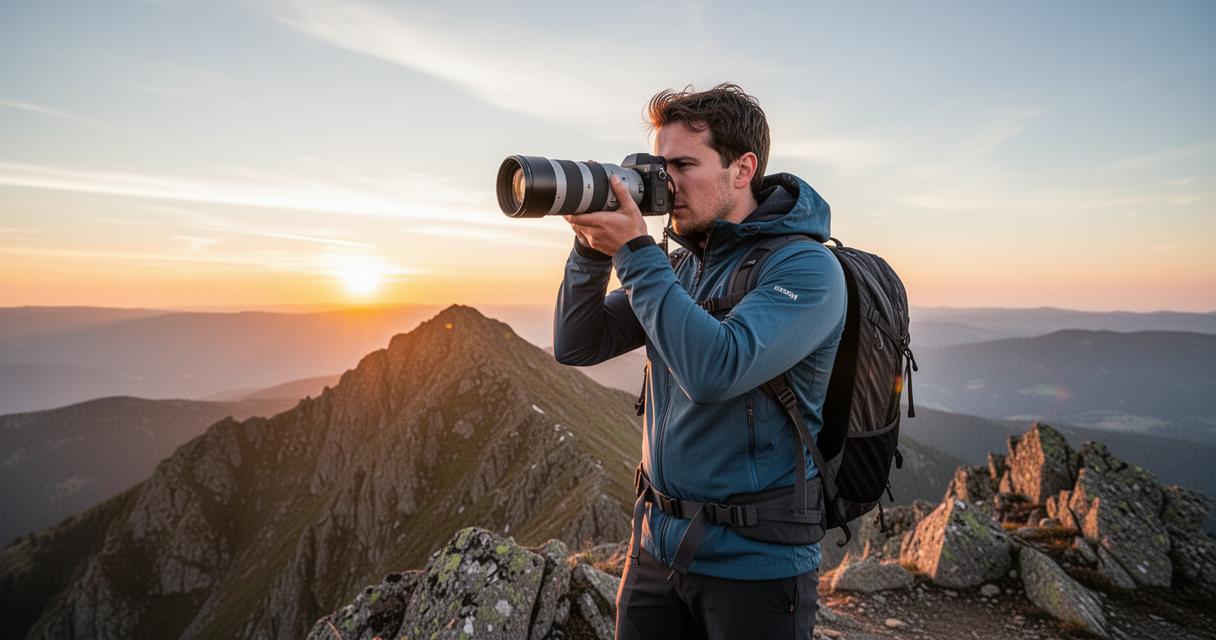
Most cameras come bundled with a versatile kit lens, typically covering a focal range of around 18 to 45mm, which is an excellent starting point for experimenting with different scenes. For portrait photography, a prime lens with a wide aperture — such as a 50mm f/1.8 — is widely regarded as one of the best investments a beginner can make, delivering beautifully blurred backgrounds and excellent performance in low light. For distant subjects or wildlife, telephoto lenses generally begin at 70mm and above, while wide-angle options are particularly well suited to landscapes and architectural shots.
Lens filters, such as polarisers and neutral density filters, are also worth considering as your skills progress. They can significantly enhance the vibrancy and quality of your images directly in-camera, reducing the need for extensive post-processing.
Essential accessories to elevate your photography game
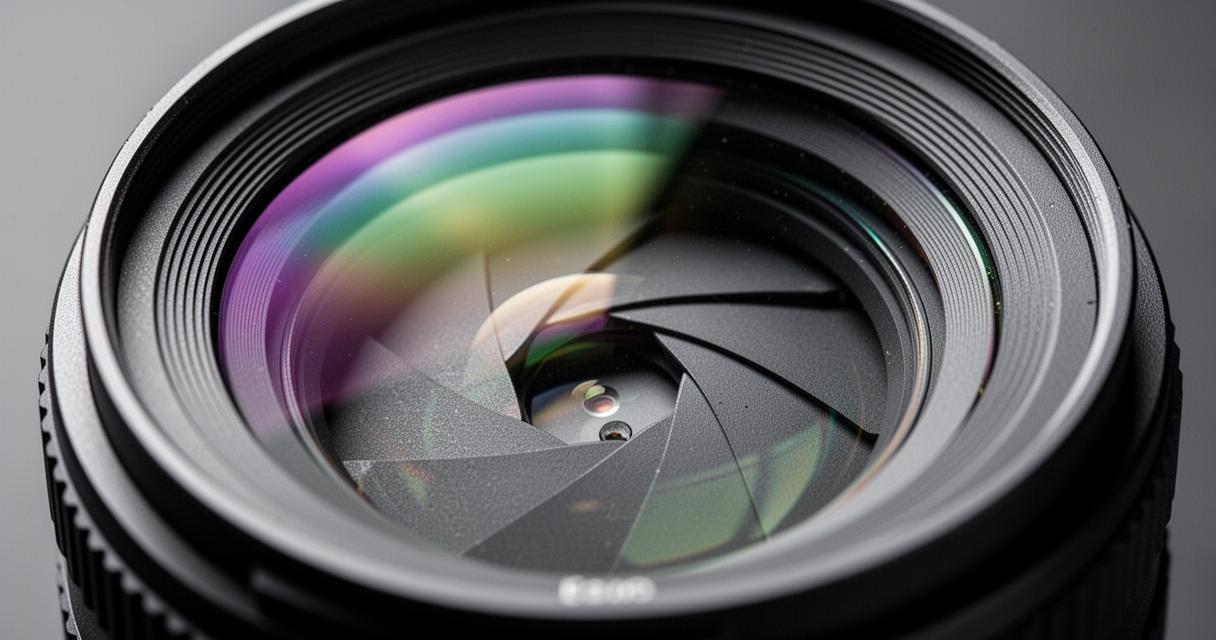
Once you have your camera and a lens or two, a range of accessories can transform the quality and consistency of your work. A well-considered photography starter kit goes well beyond just the camera body itself.
Lighting equipment, tripods, and stabilisers every photographer should consider
Good photography lighting is arguably as important as the camera itself. For indoor sessions or controlled environments, a ring light is a popular and affordable choice — the Realiview ARL11XL Ring Light, for example, is available for €29.99 and provides a flattering, even illumination ideal for portraits and video content. An external flash is another worthwhile addition, particularly for events or low-light situations where the built-in flash simply does not deliver sufficient quality.
Portable tripods are indispensable for achieving sharp images in low light, long-exposure photography, or any situation where camera shake could ruin a shot. When choosing a tripod, stability and portability are the two key factors to balance, particularly for those focused on travel photography gear. A sturdy model that folds down to a manageable size will serve you far better in the field than a cheap, wobbly alternative. Gimbals are also worth exploring for those interested in video; the Realimove MC3X 4K Gimbal Camera at €349.99 offers a compelling all-in-one solution for smooth, cinematic footage.
Storage, Editing Tools, and Protective Gear for Long-Lasting Shoots
No photography kit is complete without reliable storage. Memory cards with a Class 10 or UHS speed rating are recommended for their ability to handle high-speed continuous shooting and 4K video recording. A 64GB Micro SDXC Memory Card at Class 10 standard is available for €24.99, providing ample space for a full day’s shooting. Backing up your images onto a portable hard drive is equally essential — losing a day’s work to a corrupted card is a lesson most photographers only learn once.
A quality camera cleaning kit — comprising a microfibre cloth, lens cleaning solution, and an air blower — will keep your glass and sensor in pristine condition. Spare batteries are another non-negotiable for longer shoots; running out of power at a critical moment is easily avoided with a charged backup. Finally, investing in a well-padded camera backpack will protect your equipment during transit and make carrying multiple lenses and accessories considerably more manageable. Taken together, these essentials form the backbone of any serious photographer’s kit, whether you are shooting portraits in a studio or capturing landscapes on the road.