Racing dash cameras have become an essential piece of kit for anyone serious about improving their lap times, reviewing on-track incidents, or simply capturing the thrill of a track day. Choosing the right camera, however, involves far more than picking whatever looks flashiest on the shelf. From video resolution to GPS logging, and from mounting durability to legal compliance at UK circuits, there are numerous factors that separate a genuinely useful racing camera from one that will let you down when it matters most. This guide takes a proper look at what makes a dash camera fit for motorsport use, reviews five of the strongest options available, and walks through the practical and regulatory considerations every driver should keep in mind before fitting a camera to their car.
Key takeaways
- Choosing a racing dash camera requires considering factors like video resolution, frame rate, and durability, which differ significantly from everyday road dash cams.
- High resolution (4K) and high frame rates (at least 60 fps) are essential for capturing detail and reducing motion blur when analyzing driving lines and braking points.
- GPS integration and data logging are critical for motorsport, allowing drivers to overlay telemetry like speed, G-force, and lap times onto their video footage.
- Premium purpose-built systems like the AiM SmartyCam provide seamless data integration, while GoPro cameras offer versatility and ruggedness for various mounting positions.
- Beyond technical specs, drivers must consider practical aspects such as storage capacity for long sessions, reliable mounting solutions, and compliance with track-specific regulations.
Critical technical specifications: what makes a racing dash camera superior
Not all dash cameras are built with motorsport in mind, and this becomes obvious the moment you try to use a budget model on track. Vibration, high speeds, and rapid lighting changes all place unusual demands on a camera's hardware, meaning the specifications that matter for everyday road driving aren't necessarily the same ones that matter when you're chasing a personal best around a circuit.
Video Resolution and Frame Rate Requirements for Track Performance Analysis
When it comes to reviewing your driving line or braking points, resolution and frame rate work together to determine how useful the footage actually is. A camera recording in 4K resolution will capture far more detail than a standard 1080p unit, which becomes particularly important when you're trying to spot subtle differences in apex positioning or throttle application. Frame rate matters just as much, since a higher frame rate reduces motion blur during fast cornering and helps produce smoother playback when footage is slowed down for analysis. Many serious racers now look for cameras offering at least 60 frames per second at higher resolutions, as this combination provides the clarity needed to genuinely learn from a session rather than just enjoy a nice video afterwards. Night vision capability is also worth considering for anyone doing endurance events or evening track sessions, as poor low-light performance can render footage practically useless just when visibility is already a challenge.
GPS Integration and Data Logging Capabilities for Lap Time Optimisation
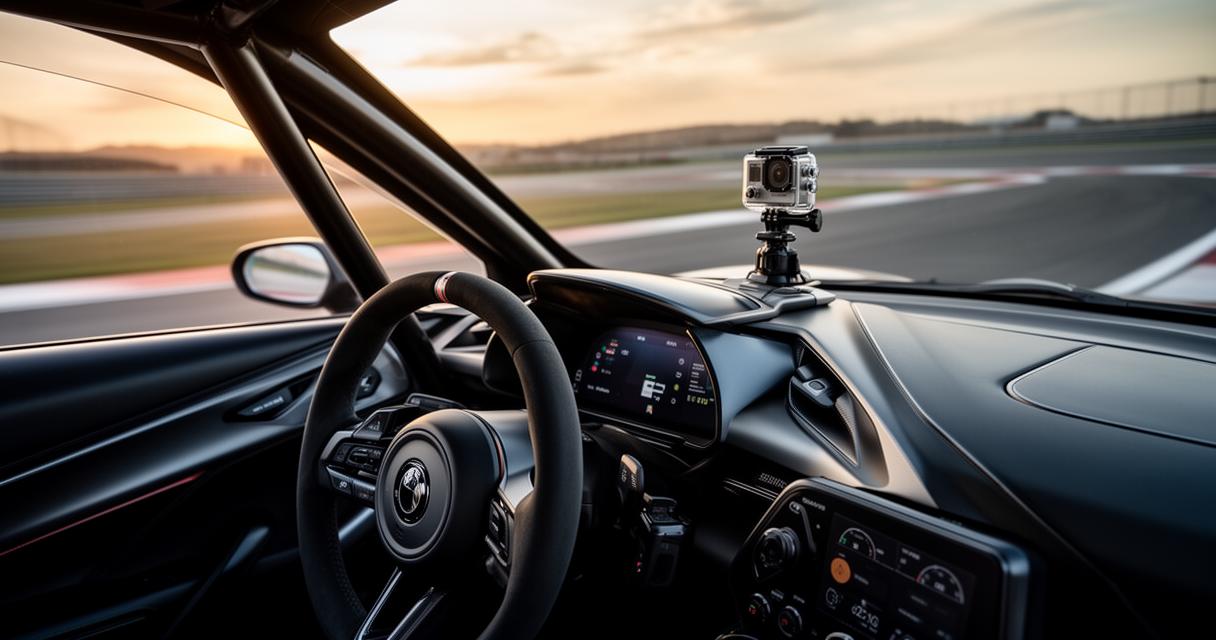
Beyond the visuals, the real value of a motorsport-focused camera often lies in its data logging. Built-in GPS tracking allows the camera to overlay speed, lap times, and track position directly onto the footage, transforming a simple video into a genuine analysis tool. Some systems go further, syncing with external sensors to log lateral g-force, braking pressure, or throttle position, giving drivers a far more complete picture of what's happening at every point on the circuit. This kind of data logging is invaluable when comparing sessions, identifying where time is being lost, or working with a coach to refine technique. For anyone serious about competitive driving, GPS integration should be considered a near-essential feature rather than a nice-to-have extra.
Comprehensive review: top 5 dash cameras for motorsport applications
With the technical groundwork covered, it's worth looking at how the leading cameras on the market actually stack up against one another. Each of these models has carved out a reputation among racers, though they differ significantly in price, features, and intended use.
Premium options: smartycam and garmin performance comparison
The AiM SmartyCam sits firmly at the premium end of the market and is purpose-built for motorsport rather than adapted from a consumer product. It integrates directly with AiM's data logging ecosystem, overlaying detailed telemetry such as speed, RPM, and lap delta straight onto the recorded footage. This makes it a favourite among club racers and professionals alike who want their video and data analysis in one seamless package. The Garmin Dash Cam range, meanwhile, offers a slightly different proposition, with strong GPS accuracy and reliable performance, though it tends to be more oriented towards general driving footage with motorsport applications as a secondary use. Garmin's strength lies in its user-friendly interface and consistent software support, making it an accessible choice for those who want solid performance without a steep learning curve.
Versatile solutions: gopro models and alternative racing camera systems
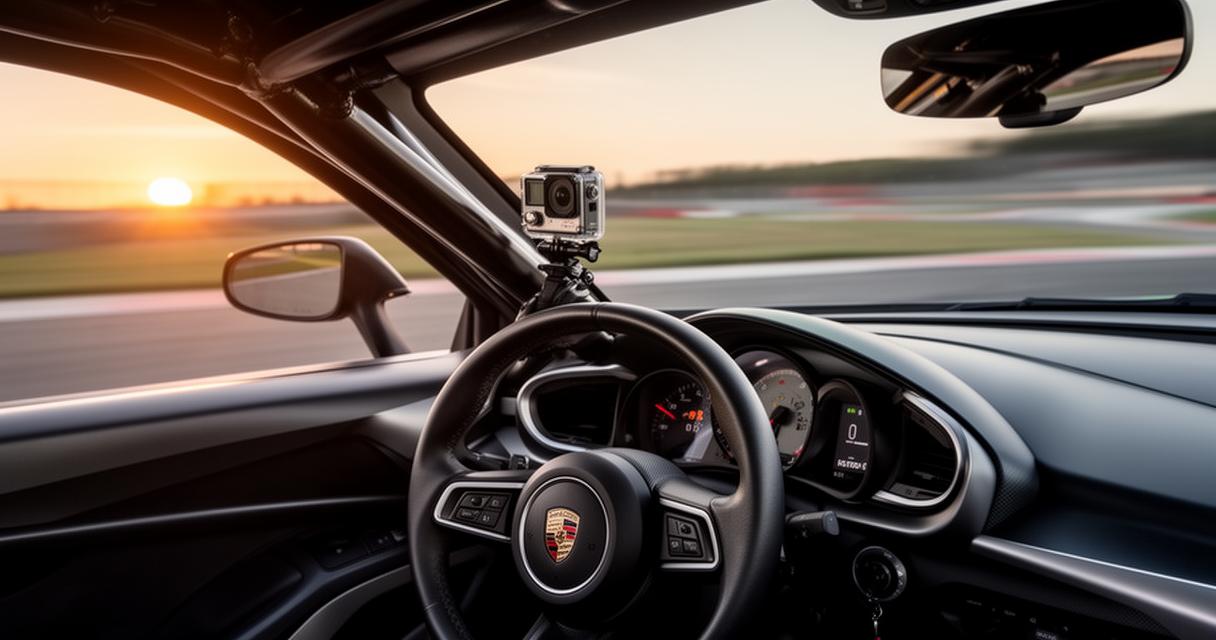
The GoPro Hero series remains hugely popular in motorsport circles, largely thanks to its rugged build, excellent video quality, and sheer versatility. These cameras can be mounted almost anywhere on a vehicle, from the dashboard to the roll cage, and their wide angle of view captures more of the action than many dedicated dash cameras manage. Newer GoPro models also offer improved night vision and stabilisation, which helps smooth out footage even on bumpy circuits. Alongside GoPro, various other action camera brands have entered the racing space, offering similar mounting flexibility at a more competitive price point, though build quality and software support can vary considerably between manufacturers. For drivers wanting a balance of affordability and performance, these alternative systems are well worth investigating before committing to a premium option.
Practical considerations: storage, mounting, and legal requirements
Choosing a camera based on specifications alone only tells half the story. Practical factors such as storage capacity, mounting reliability, and legal compliance often end up being just as important as raw technical performance once the camera is actually in use on track.
Memory Options, Price Points, and Angle of View Assessment
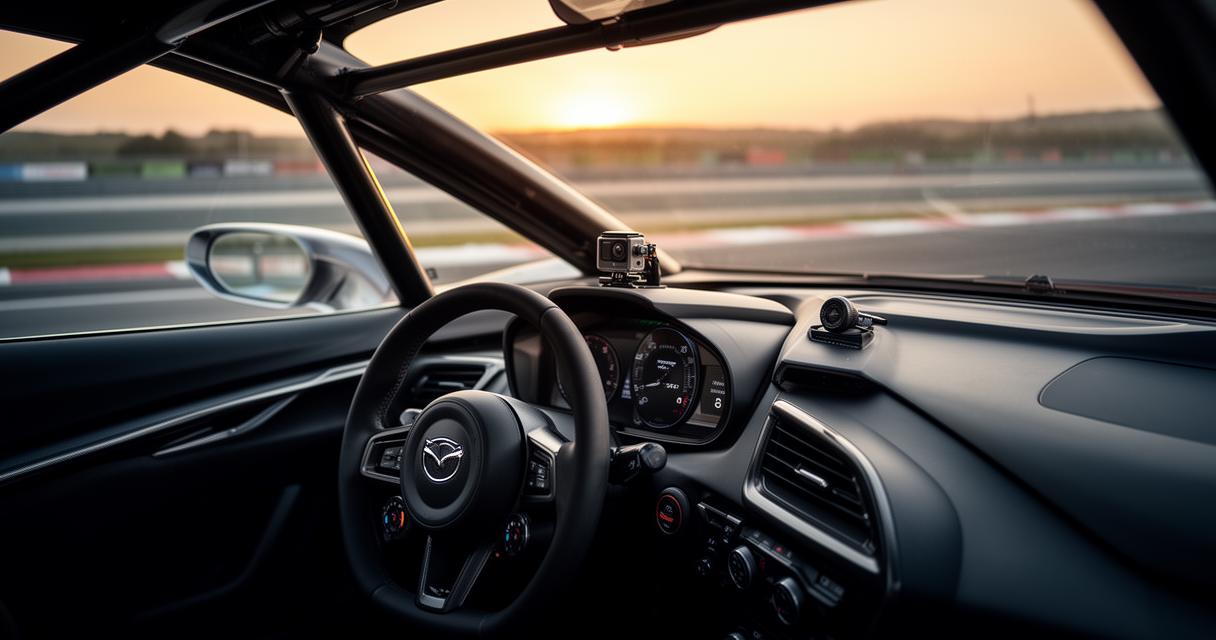
Storage capacity deserves careful thought, particularly for longer track days or endurance events where high-resolution footage can quickly fill up a memory card. Many racers opt for high-capacity microSD cards with fast write speeds to avoid dropped frames or corrupted files during extended recording sessions. Price naturally varies enormously across the market, with budget action cameras starting well below premium motorsport-specific units, so it's worth weighing up how much of the advanced telemetry and analysis features you genuinely need. Angle of view is another practical consideration that's easy to overlook, since a camera with too narrow a field may miss crucial details at the edge of the track, while one that's too wide can distort perspective and make it harder to judge braking points accurately. Onboard recording reliability, meaning the camera's ability to continue capturing footage without crashing or overheating during a demanding session, should also factor heavily into any final decision.
Uk motorsport regulations and circuit recording guidelines
Before fitting any camera to a race car, it's essential to check the specific rules of the circuit or championship you're competing in, as regulations can differ significantly between venues and organising bodies. Many UK circuits and motorsport associations have their own guidelines regarding camera mounting points, cabling, and data usage, particularly where footage might be used for post-incident review or broadcast purposes. Some championships require cameras to be securely mounted using approved brackets to prevent them becoming a hazard in the event of a crash, while others place restrictions on where footage can be shared publicly if it captures other competitors without consent. Taking the time to understand these requirements not only keeps you on the right side of scrutineers but also ensures your footage remains admissible if it's ever needed to clarify an on-track incident. Ultimately, pairing the right camera with a solid understanding of the relevant regulations gives drivers the best of both worlds, capturing brilliant footage while staying fully compliant with UK motorsport standards.