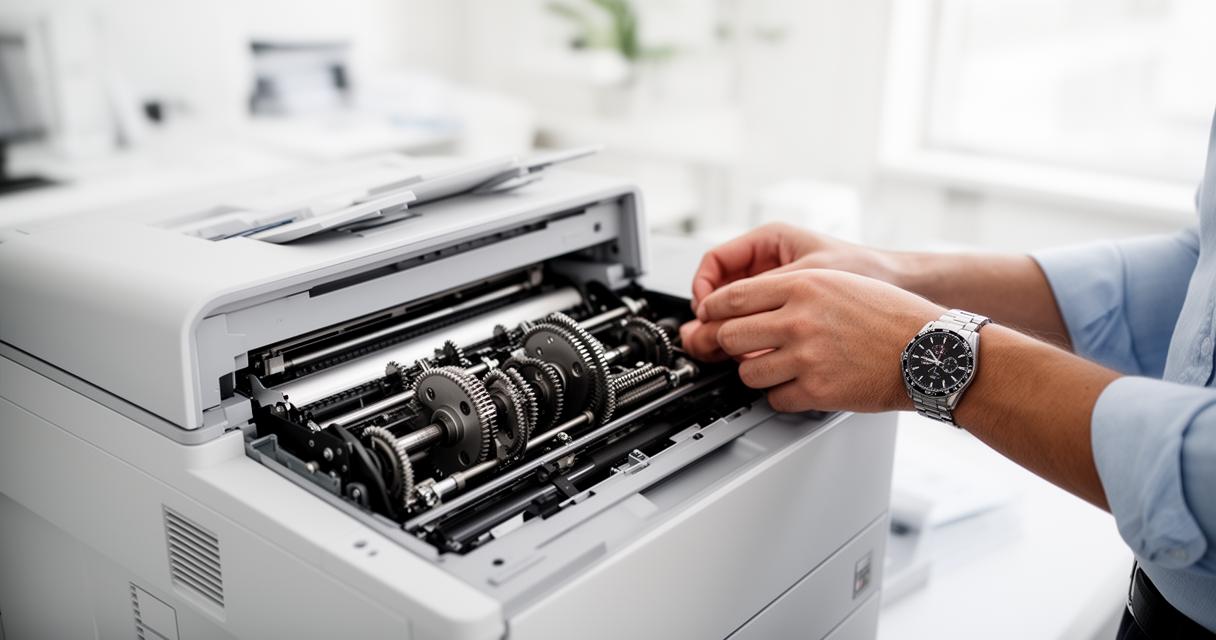
Anyone who has ever flicked a switch only to be met with darkness knows the small but mighty role a fuse plays in our homes and appliances. These unassuming little components are the unsung guardians of our electrical systems, quietly sacrificing themselves to protect wiring, circuit boards, and, most importantly, people from the dangers of electrical faults. Understanding how to check whether a fuse is still doing its job, and knowing the differences between fuses and their modern cousin, the circuit breaker, can save you time, money, and a fair bit of frustration.
At a glance
- Fuses act as essential safety components by disconnecting electrical flow during faults to protect wiring, appliances, and people.
- A multimeter set to continuity or resistance mode is the most reliable way to test a fuse, as it detects internal breaks that are not always visible.
- Visual inspection is effective for glass fuses, but opaque cartridge or blade fuses require electrical testing to accurately confirm if they have blown.
- Thermal fuses are a specific type designed to cut power when temperatures exceed a safety threshold in heating appliances, and they cannot be reset once triggered.
- Different fuse types, including glass, cartridge, and blade, are engineered for specific voltage requirements and spatial constraints across home and automotive systems.
- Safety is paramount when handling fuses; always disconnect the power supply and unplug the appliance before attempting any inspection or replacement to prevent electrical fires.
Essential Methods for Examining Fuse Integrity and Performance
When an appliance suddenly stops working or a circuit trips without obvious reason, the fuse is often the first suspect. Before rushing out to buy a replacement, it is worth taking a moment to properly assess whether the fuse is actually at fault. There are a couple of straightforward approaches that most people can manage at home with a bit of care and the right tools.
Using a Multimeter to Measure Resistance and Verify Fuse Condition
A multimeter is by far the most reliable tool for checking a fuse's condition. By setting the device to measure resistance, or continuity if your multimeter has that function, you can quickly determine whether the fuse is intact or has blown. With the appliance switched off and unplugged, remove the fuse from its holder and touch the multimeter probes to each end. A working fuse will show a very low resistance reading, often close to zero, indicating that electricity can flow freely through it. If the reading shows infinite resistance or no continuity at all, the fuse has failed and needs replacing.
It is worth noting that this method is far more accurate than simply eyeballing the fuse, especially with modern blade fuses where the metal strip inside can be difficult to inspect without magnification. Taking a few extra minutes to test with a multimeter avoids the guesswork and ensures you are not chasing a fault that has nothing to do with the fuse itself.
Visual inspection techniques for identifying defective fuses
Sometimes a simple visual check can tell you everything you need to know. Glass fuses, in particular, make this easy since you can often see straight through to the metal filament inside. If the strip appears broken, discoloured, or if the glass itself looks scorched or blackened, that is a fairly clear sign the fuse has done its job and blown to protect the circuit. Cartridge fuses can be trickier to inspect visually because their outer casing is opaque, which is where a multimeter becomes particularly useful.
Look out for other tell-tale signs too, such as a burning smell near the fuse box or discolouration on the fuse holder itself, both of which can point towards overheating or a fault further along the circuit. Never assume a fuse is fine just because it looks intact from the outside; internal damage is not always visible to the naked eye.
Understanding fuse types and their applications across various devices
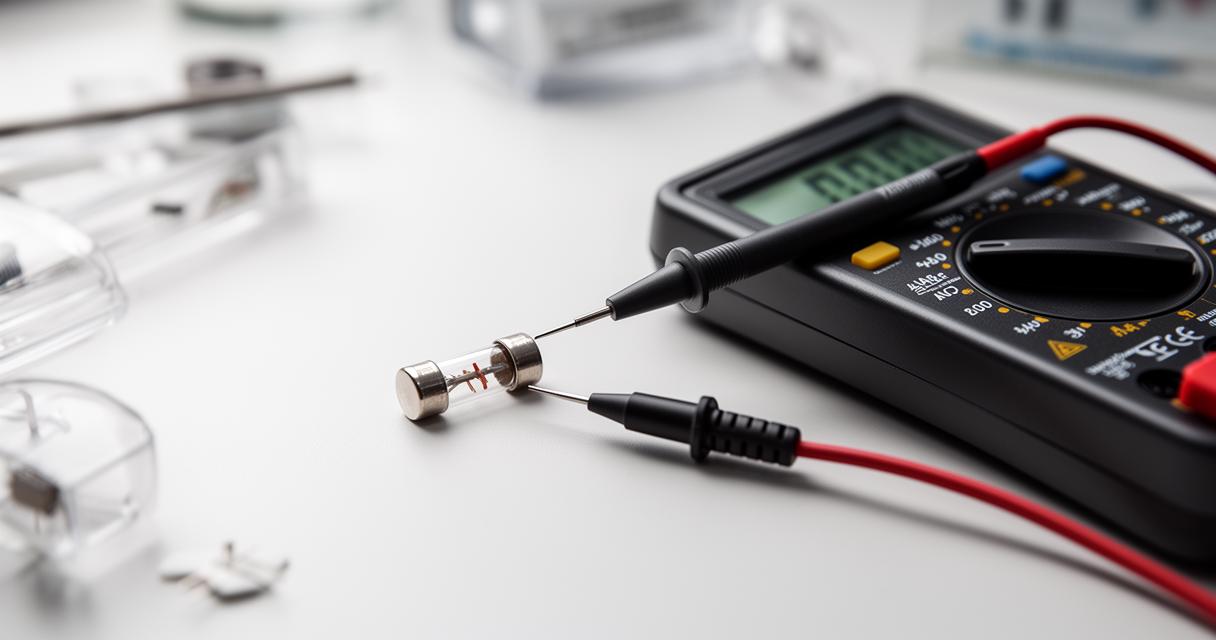
Fuses come in a surprising variety of shapes, sizes, and functions, each suited to particular appliances and electrical demands. Getting to grips with the different types helps enormously when it comes to diagnosing problems and sourcing the correct replacement.
Thermal Fuses in Kitchen Appliances: Ovens, Grills, and Beyond
Thermal fuses are a special category designed specifically to respond to excessive heat rather than just electrical overload. You will commonly find these inside ovens, grills, tumble dryers, and other appliances that generate significant warmth during operation. Unlike standard fuses that react to current surges, a thermal fuse trips when temperatures exceed a safe threshold, cutting power before components overheat and potentially cause a fire.
These fuses are typically non-resettable, meaning once they have blown due to excessive heat, they must be replaced entirely rather than reset. If your oven suddenly stops heating despite the display still showing power, a faulty thermal fuse is often the culprit, and testing it with a multimeter following the same continuity method described earlier will confirm whether it needs swapping out.
Cartridge, Glass, and Blade Fuses: Electrical Functions and Suitable Uses
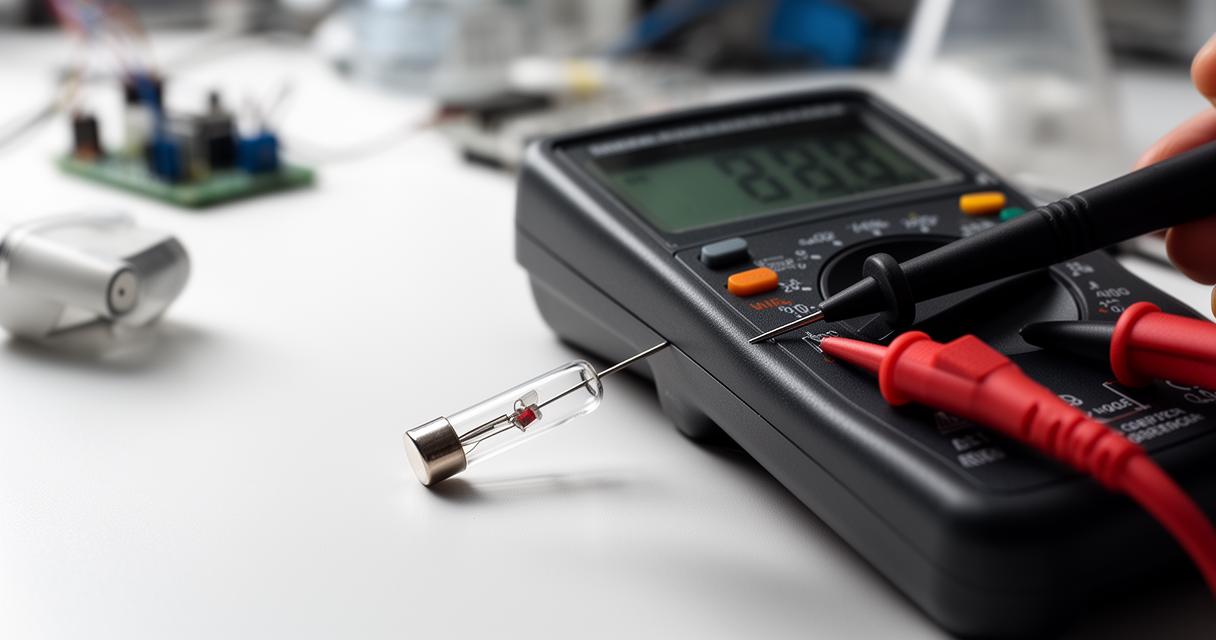
Beyond thermal fuses, there is a whole family of standard fuses used throughout domestic and automotive electrical systems. Glass fuses are perhaps the most recognisable, often found in older appliances and offering the benefit of easy visual inspection. Cartridge fuses, encased in a ceramic or plastic body, are common in plug fuses and larger household circuits, providing robust protection against higher currents.
Blade fuses, meanwhile, dominate modern vehicles and are increasingly common in household fuse boxes due to their compact design and colour-coded ratings that make identifying the correct amperage straightforward. Each type serves the same fundamental purpose of interrupting current flow during a fault, but the specific design suits different voltage requirements, spatial constraints, and ease of replacement across various devices.
Safety Measures and Best Practices for Fuse Maintenance and Installation
Working with electrical components, however small, always carries an element of risk, and fuses are no exception. Following sensible precautions not only protects you but also ensures the electrical system continues to function as intended.
Preventing electrical fires through proper circuit control and inspection
One of the most important habits when dealing with fuses is always isolating the power supply before touching anything. This means switching off the relevant circuit at the consumer unit and, where possible, unplugging the appliance entirely. Rushing this step is one of the more common causes of electrical fires, and every year electrical faults are cited as a significant contributor to house fires across the country, according to fire safety statistics regularly published by fire and rescue services.
Regularly inspecting your fuse box and any accessible control boards for signs of wear, corrosion, or loose connections goes a long way towards catching problems before they escalate. If you notice fuses blowing repeatedly in the same circuit, this is rarely a coincidence and usually points towards an underlying fault such as damaged wiring or an overloaded circuit that needs professional attention rather than simply replacing the fuse again and again.
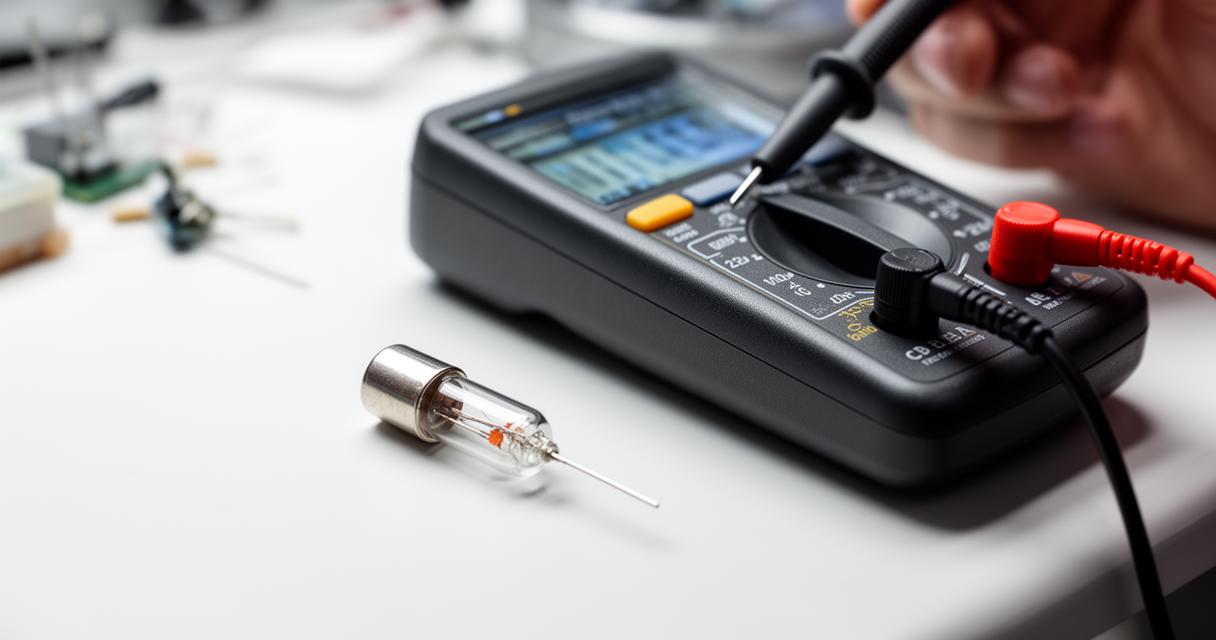
Sourcing Quality Spare Parts and Ensuring Safe Working Procedures on Control Boards
When it comes to replacing a blown fuse, quality matters more than people often realise. Cheap, poorly manufactured fuses may not trip reliably at the correct current, undermining the very protection they are meant to provide. Reputable electrical suppliers and hardware shops are generally the safest bet for sourcing replacement fuses, and it is always worth checking that the amperage rating matches exactly what the manufacturer specifies for that particular appliance or circuit.
For anyone working on control boards or more complex wiring setups, taking the time to understand the layout before making changes is essential. Labelling circuits, using appropriate insulated tools, and never working on a live board are basic but crucial practices. If in doubt, calling in a qualified electrician is always the wiser choice, particularly for anything beyond straightforward fuse replacement, since the cost of professional help is far outweighed by the potential risks of getting it wrong.
Ultimately, whether you are dealing with a simple household fuse or a more sophisticated thermal fuse inside a major appliance, a little knowledge goes a long way. Understanding how to check, identify, and safely replace these small but critical components keeps your home running smoothly and, more importantly, keeps everyone in it safe from unnecessary electrical hazards.