Fortnite has come a long way since its battle royale debut, and in 2026 the competition for smooth, responsive gameplay has never been fiercer. Whether you're grinding ranked matches or simply trying to enjoy building without your screen turning to soup during a fight, understanding how your frames are actually rendered can make all the difference. This guide walks through the mechanics behind frame timing, the graphics settings worth adjusting, and the advanced tweaks that separate a choppy session from a genuinely fluid one.
Key points
- Frame timing is more critical than raw frame rate because consistent frame delivery ensures a smoother and more responsive competitive experience.
- Irregular frame pacing causes micro-stutters that can negatively impact performance, even when average frame rates appear high.
- Choosing between DirectX 12 and DirectX 11 depends on your specific hardware, as the API choice influences how your system schedules rendering tasks.
- Reducing resource-heavy visual settings like shadows and view distance allows for better performance without compromising core visibility.
- Internal resolution scaling is an effective method to free up GPU resources and improve frame rate stability on mid-range hardware.
- Managing background applications and keeping system drivers updated are essential steps to ensure the CPU remains dedicated to Fortnite's performance.
- Implementing a frame rate cap can reduce GPU heat and prevent pacing irregularities, leading to a more consistent gameplay feel.
Understanding Frame Timing Mechanics and Their Impact on Fortnite Performance
What frame timing really means for competitive gaming
Most players fixate on the raw frame rate number displayed in the corner of their screen, but that figure only tells half the story. Frame timing refers to the consistency between each rendered frame, and it's this consistency, rather than the average count, that determines whether your aim feels crisp or sluggish. Two players might both see numbers hovering around one hundred and forty, yet one experiences buttery smooth visuals while the other feels a persistent, nagging stutter. That difference usually comes down to how evenly spaced those frames are being delivered to the display.
In fast-paced titles like Fortnite, where split-second decisions during a firefight or a last-second build can decide the outcome, irregular frame delivery becomes a genuine competitive disadvantage. Understanding this concept is the foundation for everything else in this ultimate guide, because tweaking settings without grasping the underlying mechanics often leads to marginal or inconsistent improvements.
How frame pacing affects your gameplay experience
Frame pacing is essentially the rhythm section of your gaming performance. When pacing is off, you get micro-stutters that are difficult to diagnose because the overall frame rate might look perfectly healthy on a graph. These tiny hiccups are particularly punishing in Fortnite, where quick flick shots and rapid building sequences require pixel-perfect timing. Players chasing genuine optimising FPS improvements should treat pacing as seriously as raw throughput, since a locked, consistent forty-frame experience can often feel better than an erratic one hundred and twenty.
The relationship between your CPU and GPU also plays a quiet but crucial role here. If one component is waiting on the other to finish its work, you end up with bottlenecks that manifest as pacing irregularities rather than outright frame rate drops, which is why diagnosing performance issues in Fortnite sometimes requires more nuance than simply lowering a slider.
Essential Graphics Settings to Maximise Your Frame Rate in Fortnite
Configuring directx 12 versus directx 11 for optimal results
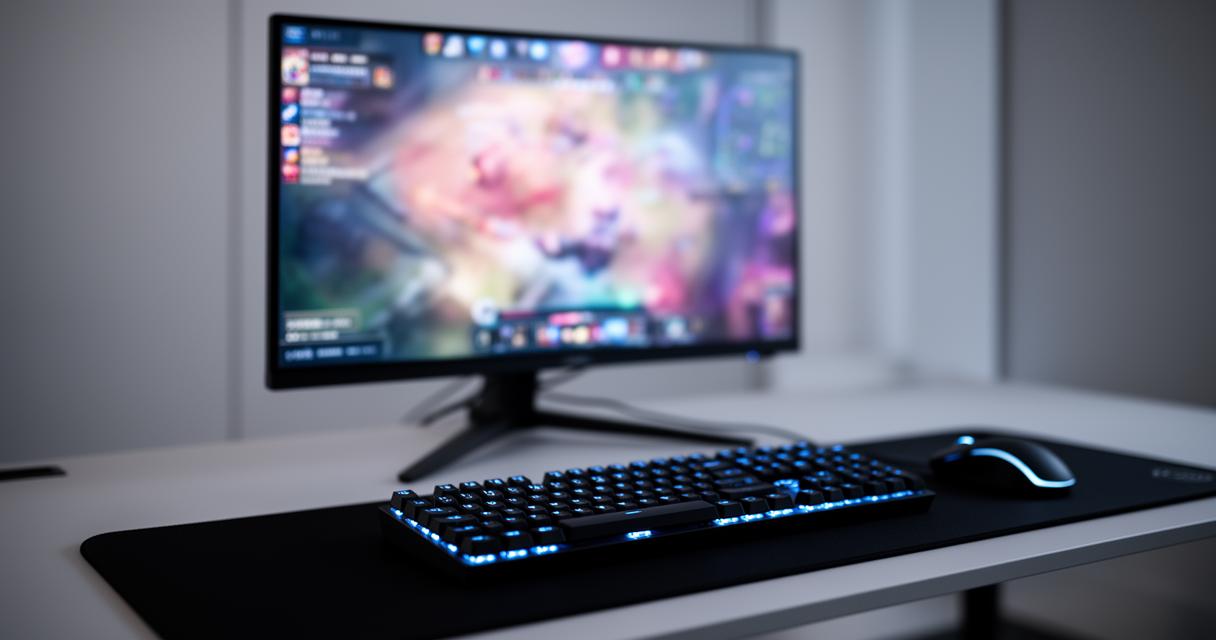
One of the most debated choices among the Fortnite community concerns which rendering API to use. DirectX 12 generally offers better multi-threading support and can squeeze extra performance out of modern multi-core processors, making it the preferred choice for players with newer hardware. However, DirectX 11 remains a solid, stable alternative for those running slightly older systems, since it tends to produce fewer driver-related hiccups on legacy graphics cards.
Switching between the two isn't just a cosmetic change; it genuinely alters how your system schedules rendering tasks. Testing both options for a few matches each is a worthwhile exercise, as the ideal choice often depends on your specific combination of processor and graphics card rather than a universal rule that applies to everyone.
Fine-Tuning Visual Effects and Resolution for Peak Performance
Beyond the rendering API, the individual visual settings within Fortnite carry substantial weight. Shadows, in particular, are notorious for consuming resources without offering much competitive benefit, so dropping them to their lowest setting is a common first step for anyone serious about performance. Similarly, view distance and effects quality can be scaled back without drastically harming visibility of enemies, since Fortnite's art style remains readable even at reduced fidelity.
Resolution scaling deserves special attention too. Running the game at a slightly lower internal resolution while keeping your display's native resolution intact through Fortnite's built-in scaler can free up considerable GPU headroom. This approach often yields a noticeably smoother experience, particularly for players using mid-range hardware who still want to compete at a high level.
Advanced Techniques for Eliminating Frame Drops and Stuttering
Managing background processes and system resources
Even with perfect in-game settings, a cluttered system running dozens of background applications can silently sabotage your performance. Browser tabs, chat overlays, and unnecessary startup programs all compete for the same CPU cycles that Fortnite needs to maintain steady frame delivery. Closing these extraneous processes before launching a match is a simple habit that pays dividends, especially during the more demanding late-game moments when dozens of structures and effects are rendering simultaneously.
It's also worth checking that your graphics drivers are current, as manufacturers frequently release updates specifically optimised for popular titles. Keeping Windows itself lean, disabling unnecessary visual effects at the operating system level, and ensuring your storage drive has adequate free space all contribute to a more stable foundation for consistent gameplay.
Implementing frame rate limiters and v-sync alternatives
Counterintuitively, capping your frame rate slightly below your hardware's maximum capability can actually improve stability. Setting a limiter prevents your GPU from working at full tilt constantly, which reduces heat build-up and can smooth out the pacing irregularities discussed earlier. Many competitive players find that a modest cap produces a more consistent feel than leaving the frame rate completely uncapped.
For those bothered by screen tearing without wanting the input lag associated with traditional V-Sync, alternatives such as fast sync or adaptive sync technologies built into modern monitors offer a useful middle ground. These solutions synchronise frame delivery without the heavy latency penalty, making them particularly well suited to the fast reflexes demanded by Fortnite's build battles and close-quarters engagements.
Ultimately, mastering these frame timing mechanics isn't a one-off fix but an ongoing process of testing and refinement tailored to your specific setup. Small adjustments across drivers, in-game settings, and background management compound into a noticeably smoother, more competitive experience over time.